
How to Protect Your Hearing from Headphones: Safe Ear Care Tips
Last Update On: 20 Sep 2026

Discover essential tips to protect your hearing while using headphones and earbuds. Learn safe volume levels, the 60/60 rule, best practices for ear care, and how to prevent permanent hearing loss from loud music. Protect your ears today!
How to get a Good Night's Sleep? How to Sleep better at Night Naturally
The Dangers of Loud Noise
Our ears are amazing organs that allow us to experience the world around us in a rich and vibrant way. But just like any other part of our body, they need to be cared for. And in today's world, with our constant exposure to loud noises and headphones, ear care is more important than ever. Loud noise can damage the delicate hair cells in our inner ear, leading to hearing loss that can be permanent. This damage can be caused by:
·
Exposure to loud music or headphones: Listening to
music at high volumes, especially
for long periods of time, can
be very damaging to your hearing.
·
Exposure to loud machinery or tools: If you work
around loud machinery or tools, it's
important to wear hearing protection.
·
Exposure to loud traffic: Living in a
busy city or spending a lot of time on the road can also contribute to hearing
loss.
Tips for Protecting Your Hearing
There are a number of things you can do to protect your hearing:
·
Follow the 60/60
rule: This
rule means listening to music at no more than 60% of the maximum volume for no
more than 60 minutes at a time.
·
Take breaks: Give your ears
a break from loud noise every hour or so.
·
Use noise-canceling headphones: Noise-canceling
headphones can help to reduce the amount of noise you're exposed to, allowing you to listen to music at a
lower volume.
·
Wear earplugs: If you're going
to be around loud noise, wear
earplugs to protect your hearing.
·
Get your hearing checked: It's a good
idea to get your hearing checked regularly , especially
if you're exposed to loud noise on a regular basis.
How to stop Hiccups in Babies Immediately: Baby Hiccups
Using Headphones Wisely
Headphones can be a great way to enjoy music, movies, and audiobooks. But it's
important to use them wisely to protect your hearing. Here are a few tips:
·
Don't crank up the
volume: It's tempting to blast your music, but resist the urge. Remember, loud noises can damage your hearing.
·
Choose the right headphones: Not all
headphones are created equal. Some
headphones are louder than others. Choose
a pair of headphones that fit your ears well and that have a good sound quality
at a lower volume.
·
Take breaks: Just like with
any loud noise, give
your ears a break from headphones every hour or so.
By following these tips, you can
help to protect your hearing and enjoy your headphones for years to come.
Additional Tips
·
Be aware of your
surroundings: When you're wearing headphones, it's important to be aware of your
surroundings. This is
especially important if you're walking or biking in traffic.
·
Clean your headphones regularly: Earwax can
build up on headphones, which
can irritate your ears and affect the sound quality. Clean your headphones regularly with
a soft, damp cloth.
·
Don't share headphones: Sharing headphones can spread germs
and bacteria. If you
must share headphones, clean
them first.
I hope these tips help you to take care of your ears and use headphones
wisely.
How to Make a Cold House Warm Without Heating (Latest Guide)
Remember, your hearing is precious. Don't take it for granted!
Here are some tips
for taking care of your ears and using headphones wisely:
·
Turn down the volume:
According to the NIDCD, headphones at maximum volume can produce sounds as loud
as 110 dB, which can damage your ears within 15 minutes.
·
Sound: Guys
recommends limiting the volume to 85dB (SPL) or less, which is about 60% of the
maximum volume.
· Take listening breaks:
Sound Guys recommends the 60/60 rule, which is listening at 60% volume for 60
minutes, then giving your ears a 30-minute break.
Others recommend
taking a 5-minute break every hour or so and avoiding listening to music for
more than one hour continuously.
·
Clean your headphones:
Regularly clean your headphones and change the earbuds when needed.
·
It's also important to keep
your ear tips and the mesh grilles under the ear tips clean and free of debris.
·
Avoid cotton swabs:
Don't use cotton swabs or ear candling.
·
Keep your ears dry:
Keep your ears dry.
·
Manage stress:
Manage and reduce stress.
·
Have regular hearing tests:
Have regular hearing tests.
Reasons why are Over-Ear Headphones Comfortable
This varies from man
to man which types of headphones are more comfortable. Some can prefer on-ear
headphones; others’ choices may be over-ear headphones. On the other hand, some
can go straight for earbuds.
You can say that
over-ear headphones are more comfortable for a few reasons:
·
Full Ear Coverage: Over-ear headphones
cover the entire ear, distributing pressure evenly and preventing direct
pressure on the earlobes or ear cartilage.
·
Padded Ear Cups: Most over-ear
headphones come with thick, cushioned ear cups that provide a soft barrier
between the headphones and the ears, enhancing comfort.
·
Adjustable Headbands: These headphones
often feature adjustable headbands, allowing users to find the perfect fit for
their head size and shape.
·
Weight Distribution: The design of
over-ear headphones often distributes their weight evenly across the head,
preventing pressure points.
·
Noise Isolation: The full ear
coverage helps in passive noise isolation, which means users don’t need to
increase the volume to drown out external noises, leading to a more comfortable
listening experience.
·
Breathability: Many over-ear
headphones are designed with materials that allow the ears to breathe, reducing
the chances of sweating and discomfort during prolonged use.
·
Durability and Longevity: Over-ear headphones
tend to be robust and long-lasting. Knowing they won’t easily break adds to the
comfort of using them without worry.
·
Less Ear Fatigue: The design of
over-ear headphones can lead to less ear fatigue compared to in-ear or on-ear
headphones, especially during extended listening sessions.
·
Customizable Comfort: Some over-ear
headphones come with replaceable ear pads, allowing users to choose materials
and thickness levels that suit their comfort preferences.
·
Balanced Sound: Over-ear headphones
often provide a more spacious and balanced soundstage. This can make listening
more enjoyable and less fatiguing, as sounds are not directly funneled into the
ear canal.
Whereas many people find over-ear headphones comfortable, comfort is subjective and can vary from person to person. It’s always a good idea to try on a pair of headphones before purchasing to ensure they fit well and feel comfortable.
How to Travel Safely as a Woman | Solo Female Travel Safety Tips
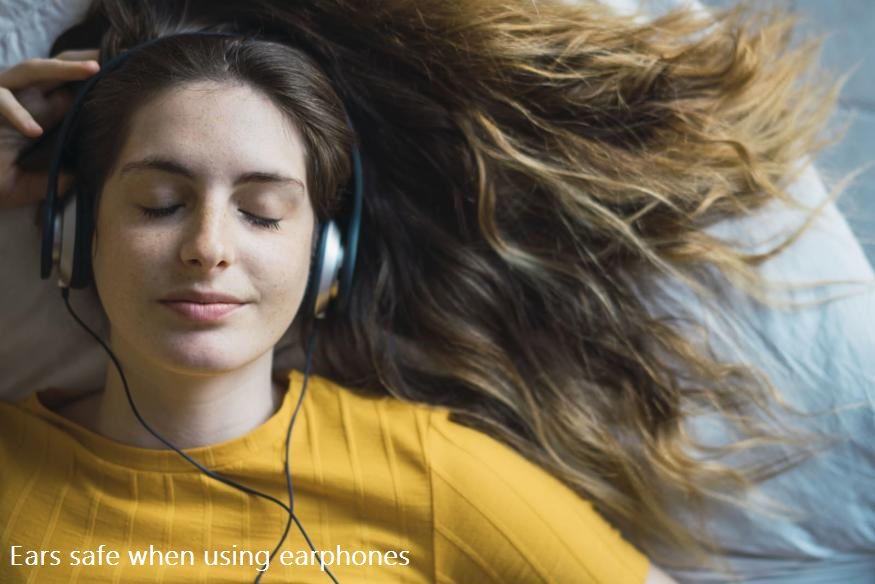
How to keep your ears safe when using earphones?
·
Choose the right volume level.
·
Use noise-cancelling headphones.
·
Take regular breaks from listening.
·
Choose headphones over earbuds.
·
Clean your earphones.
References and Sources
The National
Institute on Deafness and Other Communication Disorders (NIDCD): https://www.nih.gov/about-nih/what-we-do/nih-almanac/national-institute-deafness-other-communication-disorders-nidcd
·
The
American Academy of Otolaryngology-Head and Neck Surgery (AAO-HNS): https://www.entnet.org/
·
The
Hearing Loss Association of America (HLAA): https://www.hearingloss.org/
By
taking care of your ears, you can enjoy the gift of hearing for a lifetime.
How to Score 99% in Exams: Best Self-Study Plan & Top Tips [Studying from Home]
Frequently Asked Questions (FAQs)
1. What is the 60/60 rule for headphone use?
The 60/60 rule is a safe-listening guideline that recommends listening to audio through headphones at no more than 60% of the maximum volume for a duration of no more than 60 minutes at a time, giving your inner ear hair cells essential time to rest.
2. Can using headphones cause permanent hearing loss?
Yes. Prolonged exposure to high decibel levels—especially directly inside the ear canal via headphones or earbuds—can permanently damage the delicate sensory hair cells in the cochlea, leading to irreversible noise-induced hearing loss.
3. Are over-ear headphones safer than in-ear earbuds?
Generally, yes. Over-ear (circum-aural) headphones sit outside the ear canal and distribute sound waves more naturally, whereas ear buds sit directly inside the ear canal, which can increase sound pressure levels and amplify the risk of damage if volumes are high.
4. What are the early warning signs of hearing damage?
Common early warning symptoms include tinnitus (a persistent ringing, buzzing, or hissing sound in the ears), muffled hearing after removing headphones, or needing people to repeat themselves in noisy environments.
5. How do noise-canceling headphones help protect hearing?
Noise-canceling headphones block out ambient background noise (such as traffic, airplane engines, or chatter), allowing you to hear your audio clearly at much lower, safer volumes without having to crank up the volume to drown out external sounds.
6. Is it safe to clean my ears with cotton swabs (Q-tips)?
No. Inserting cotton swabs or sharp objects into your ear canal is strongly discouraged. It pushes earwax deeper toward the eardrum, increasing the risk of compaction, irritation, or accidental puncture of the eardrum.
7. How often should I clean my headphones or earbuds?
You should clean your headphones and earbuds at least once a week (or more frequently if used daily). Wipe them down with a soft, slightly damp, lint-free cloth or isopropyl alcohol wipe to remove built-up earwax, sweat, and bacteria.
8. Why shouldn't I share my headphones with other people?
Sharing headphones transfers earwax, natural skin oils, fungi, and bacteria from one person's ear canal to another, significantly increasing your risk of developing outer ear infections (like swimmer's ear) or fungal irritations.
9. How can I protect my ears if I work in a loud environment?
If you are regularly exposed to loud machinery, industrial tools, or heavy traffic, you should consistently wear certified hearing protection such as custom earplugs or industrial-grade earmuffs to safeguard your hearing.
10. When should I see a doctor or an audiologist about my hearing?
You should schedule a professional hearing evaluation immediately if you experience sudden hearing loss, persistent muffled sounds, painful earaches, chronic ringing (tinnitus), or noticeable difficulty understanding conversations in group settings.
Best
Farming Technical Tips around the World
Conclusion
Our hearing is one of our most precious senses, allowing us to connect deeply with the world, enjoy music, and communicate effortlessly. However, in our modern digital era dominated by constant screen time and personal audio devices, safe ear care is more important than ever. By adopting smart listening habits—such as following the 60/60 rule, investing in noise-canceling technology, taking routine breaks, and keeping your gear clean—you can protect your delicate inner ears from permanent damage. Treat your ears with care today so you can enjoy the sounds of life for years to come!
Compassionate Care: How to Look After Old Aged Parents at Home (Full Guide)
Disclaimer
The information provided in this article is for general educational and informational awareness purposes only and should not be construed as professional medical advice, diagnosis, or treatment. Always seek the advice of a qualified physician, otolaryngologist (ENT specialist), or audiologist with any questions you may have regarding a medical condition or hearing health concerns. Never disregard professional medical advice or delay in seeking it because of something you have read on this website.
👉 Follow us for fastest updates:
Pinterest, LinkedIn, Facebook, Telegram, Instagram, Facebook Page


Post a Comment